Ingredients
Method
Step 1: Prepare Your Pot
- Grab a small to medium-sized saucepan. Fill it with enough water to cover the egg by at least an inch. You want that water to generously envelop your egg, ensuring even cooking.
Step 2: Bring Water to a Boil
- Place the saucepan on the stove and turn the heat to high. Keep a close eye on it. You want a rolling boil, not just bubbles timidly bubbling away. This might take a few minutes, so be patient.
Step 3: Add the Egg
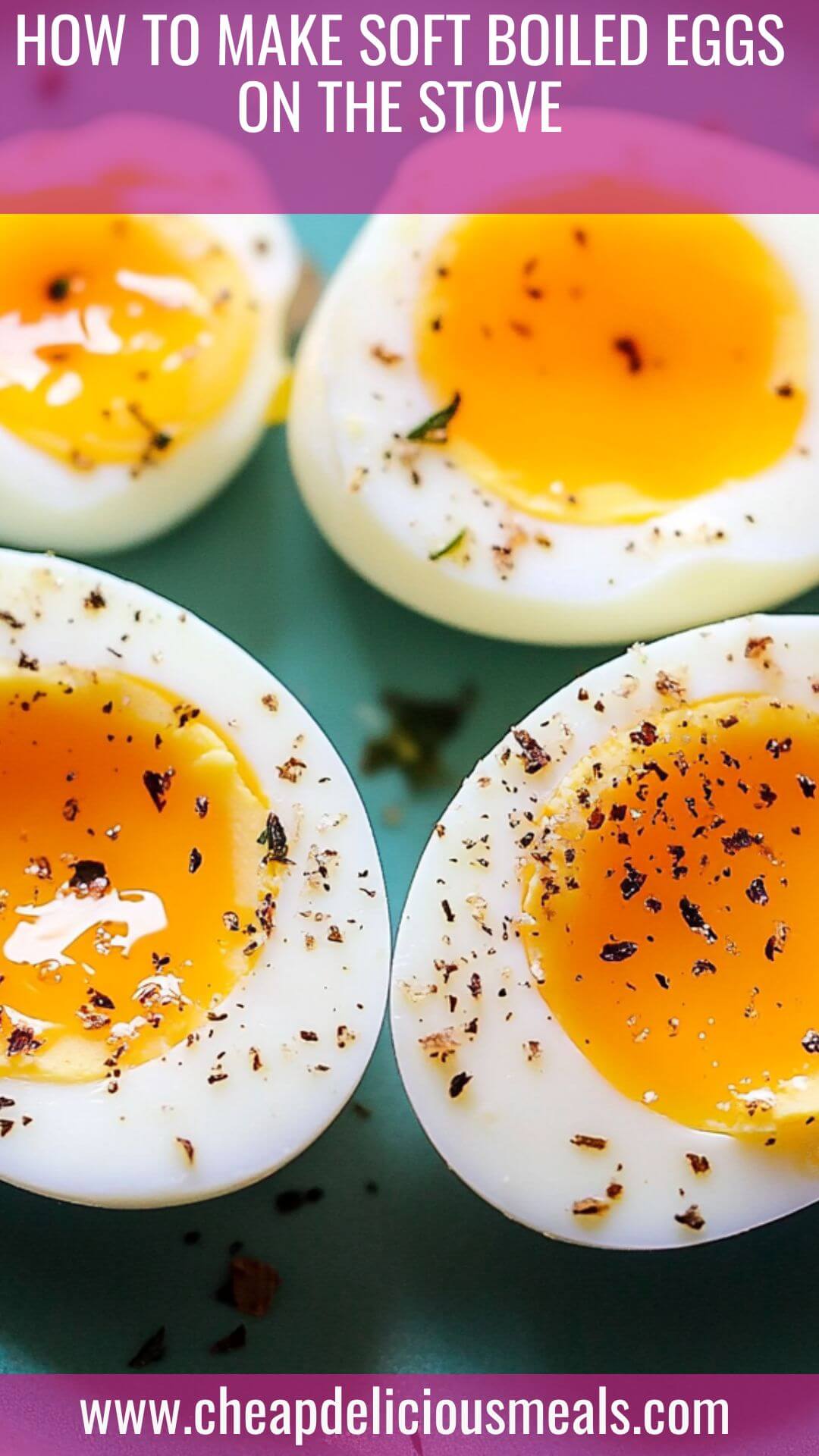
- When the water is just right, gently lower that large egg into the boiling water. I usually use a spoon to avoid any splash disasters. Here’s the key: timing is everything. For a perfectly soft yolk, you’ll want to boil it for 6 to 7 minutes.
Step 4: Ice Bath Time
- While your egg is happily boiling away, prepare a bowl of ice water. After the timer goes off, promptly remove the egg and plunge it into the icy bath. This step prevents the cooking process from continuing and helps you peel the egg later. I learned this tip the hard way, as my first eggs turned into hard-boiled disasters.
Step 5: Peel and Serve
- After about five minutes in the ice bath, remove the egg and gently tap it on a hard surface. Start peeling from the wider end where there’s typically an air pocket. You’ll find that the shell comes off surprisingly easily. If you’re feeling whimsical, sprinkle that pinch of sea salt and some lemon zest on top, or just dip your toast into the luscious yolk.
Notes
- The Egg: Fresh eggs will always yield the best results. The quality of the eggs matters. Organic and free-range options often taste better, in my experience.
- The Water: Using filtered water can enhance flavors, especially if your tap water has a strong taste.
- The Timing: Every stove is different. Experiment a little to find your ideal time.
- Ice Bath: Always have your ice bath ready before the egg is done cooking to prevent unwanted overcooking.
- Serving: Soft boiled eggs shine as a solo dish or as part of a meal. Try them on salads or ramen for a delicious finish.