Ingredients
Method
Step 1: Gather Your Equipment
- First, gather your gear. You'll need a non-stick frying pan, a spatula, and a small bowl for the egg. Having everything ready ensures a smoother cooking process.
Step 2: Heat the Pan
- Place your frying pan over medium heat and allow it to warm up for about two minutes. If you have a heat-resistant thermometer, aim for around 300°F (150°C). The pan should be hot enough for the egg to sizzle upon contact, but not so hot that it burns.
Step 3: Add the Fat
- Add your chosen fat to the skillet. I prefer olive oil for its health benefits and flavor. Swirl the oil or melt the butter to coat the pan evenly. This ensures that the egg doesn't stick and gets that beautiful golden edge.
Step 4: Crack the Egg
- Crack the egg into a small bowl. This step is crucial for preventing shell fragments from joining your dish. Then, gently slide the egg from the bowl into the hot pan. Hear that sizzle? That’s a good sound!
Step 5: Season the Egg
- As the egg begins to cook, sprinkle a dash of salt, garlic powder, and a bit of black pepper over the top. The seasonings add depth without overwhelming the delicate flavor of the egg.
Step 6: Control the Cooking Time
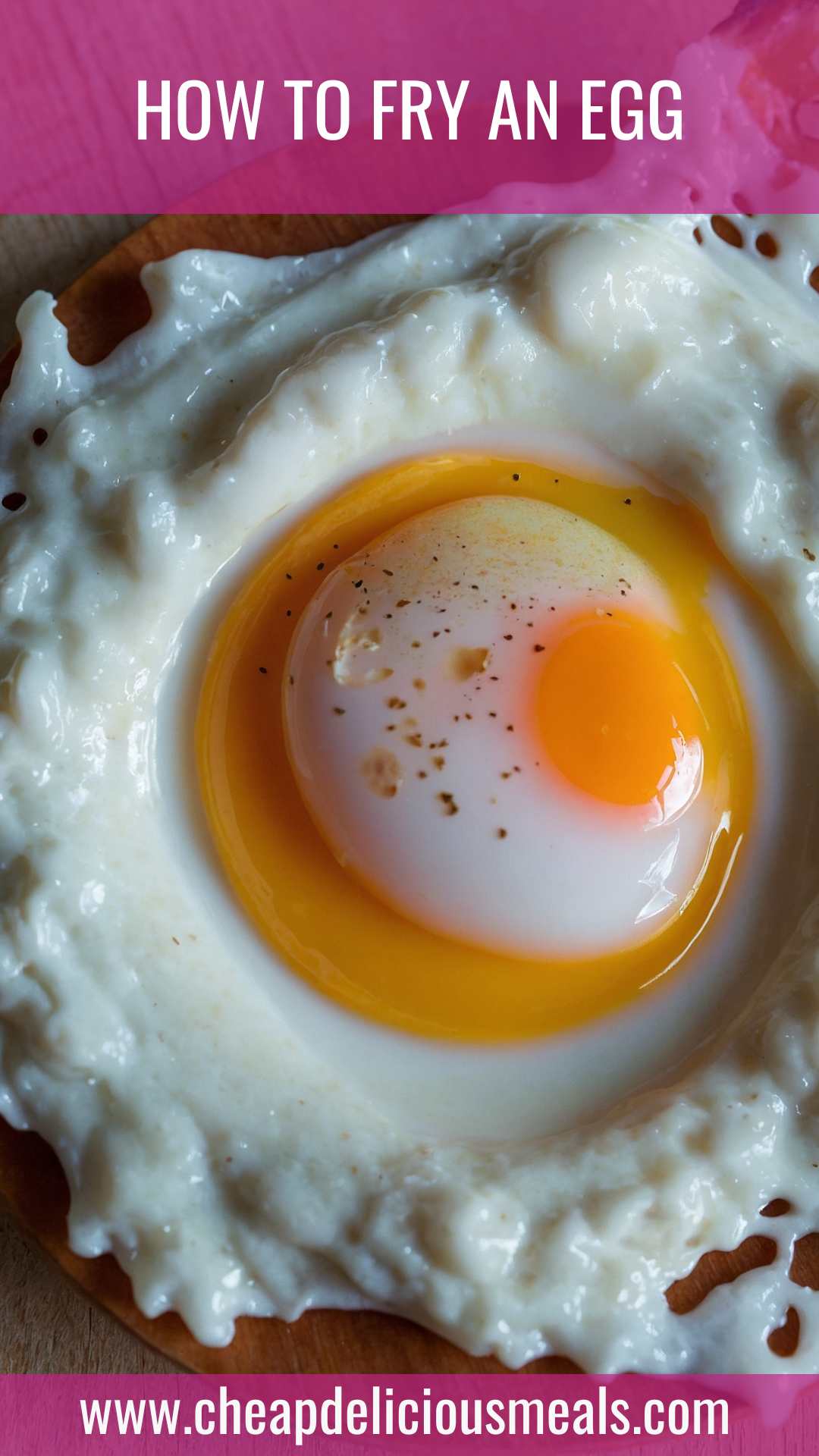
- Watch the cooking closely. For sunny-side-up, let the egg sit untouched for about three minutes. If you prefer over-easy, gently flip the egg after a couple of minutes and cook for an additional minute. If you like a firmer yolk, simply give it an extra minute or two based on your preference.
Step 7: Serve
- Once your egg has reached your desired doneness, carefully transfer it to a plate. Garnish with freshly chopped chives or green onions. And just like that, you have a perfectly fried egg!
Notes
- Use a Non-Stick Pan: This is crucial for preventing sticking. A well-seasoned cast-iron skillet can work wonders too.
- Fresh Eggs Only: Older eggs may spread too much and not give you the nice shape you want.
- Temperature Control: Keep an eye on the heat. Too high can lead to crispy edges and not enough cooking for the whites.
- Experiment with Fats: Each type of fat adds a different flavor. Try butter for richness, olive oil for a fruity touch, or even bacon grease for a heartier dish.
- Cover the Pan: For a softer top and faster cooking, cover the pan with a lid during the last minute of cooking. This method traps steam, helping the whites set without burning the bottom.