
Ingredients
Method
Step 1: Prepare Your Baking Dish and Preheat Your Oven
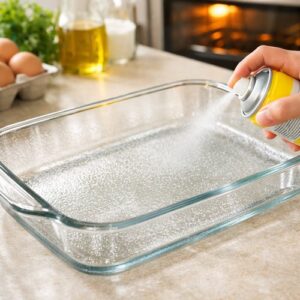
- Start by preheating your oven to 350 degrees Fahrenheit. While it's warming, coat a nine-by-thirteen-inch baking dish with non-stick spray instead of butter or oil—this saves roughly fifty cents per casserole and prevents sticking just as effectively. I keep store-brand non-stick spray in my pantry at all times. Set the prepared dish aside on your counter where you'll be working.
Step 2: Make the Creamy Base Mixture
- In a large mixing bowl, combine the canned soup, shredded cheddar cheese, and sour cream. Don't dilute the soup with water or milk—that's where home cooks waste money and dilute flavor. The soup is already the right consistency, and the sour cream adds additional moisture. Stir these three ingredients together until they're well combined and relatively smooth. This is your flavor foundation, and it should look thick and creamy.

Step 3: Add the Potatoes and Season
- Pour the frozen hash brown potatoes directly into your soup mixture. Don't thaw them first—that increases your prep time and releases moisture that makes the final casserole watery. Stir everything together, breaking up any large frozen chunks as you mix. Sprinkle in the garlic powder and black pepper. This is the moment where your casserole gets its complete flavor profile.

Step 4: Spread and Bake the Base Layer
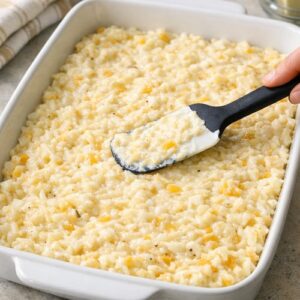
- Pour the entire potato mixture into your prepared baking dish and spread it into an even layer. Use a rubber spatula to make sure you've distributed everything evenly—this prevents some sections from drying out while others stay creamy. Place the baking dish uncovered in your preheated 350-degree oven and bake for one hour. This allows the potatoes to cook through and the cheese to melt completely into every layer.
Step 5: Prepare Your Corn Flake Topping
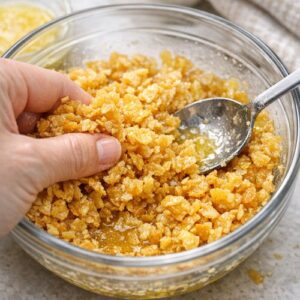
- While your casserole is baking, prepare the topping. In a small bowl, combine the melted butter with the crushed corn flakes. Crush the cereal by hand—put it in a zip-top bag and crush it against your counter with your hands or a rolling pin. This takes about two minutes and gives you control over the size of the pieces. You want bite-sized pieces, not powder. Mix the corn flakes and melted butter together until every piece is coated.
Step 6: Add the Topping and Final Bake
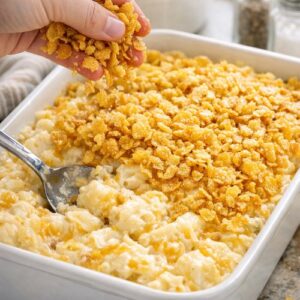
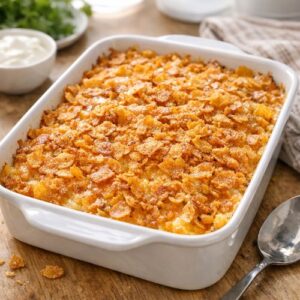
- After the first hour of baking, carefully remove your casserole from the oven. Give the potato mixture a gentle stir to redistribute any settling. Sprinkle the corn flake mixture evenly across the top. Return the casserole to the oven uncovered and bake for an additional twenty minutes, until the corn flake topping turns golden brown and crispy. You should see some toasted edges at about the fifteen-minute mark.
Step 7: Rest and Serve
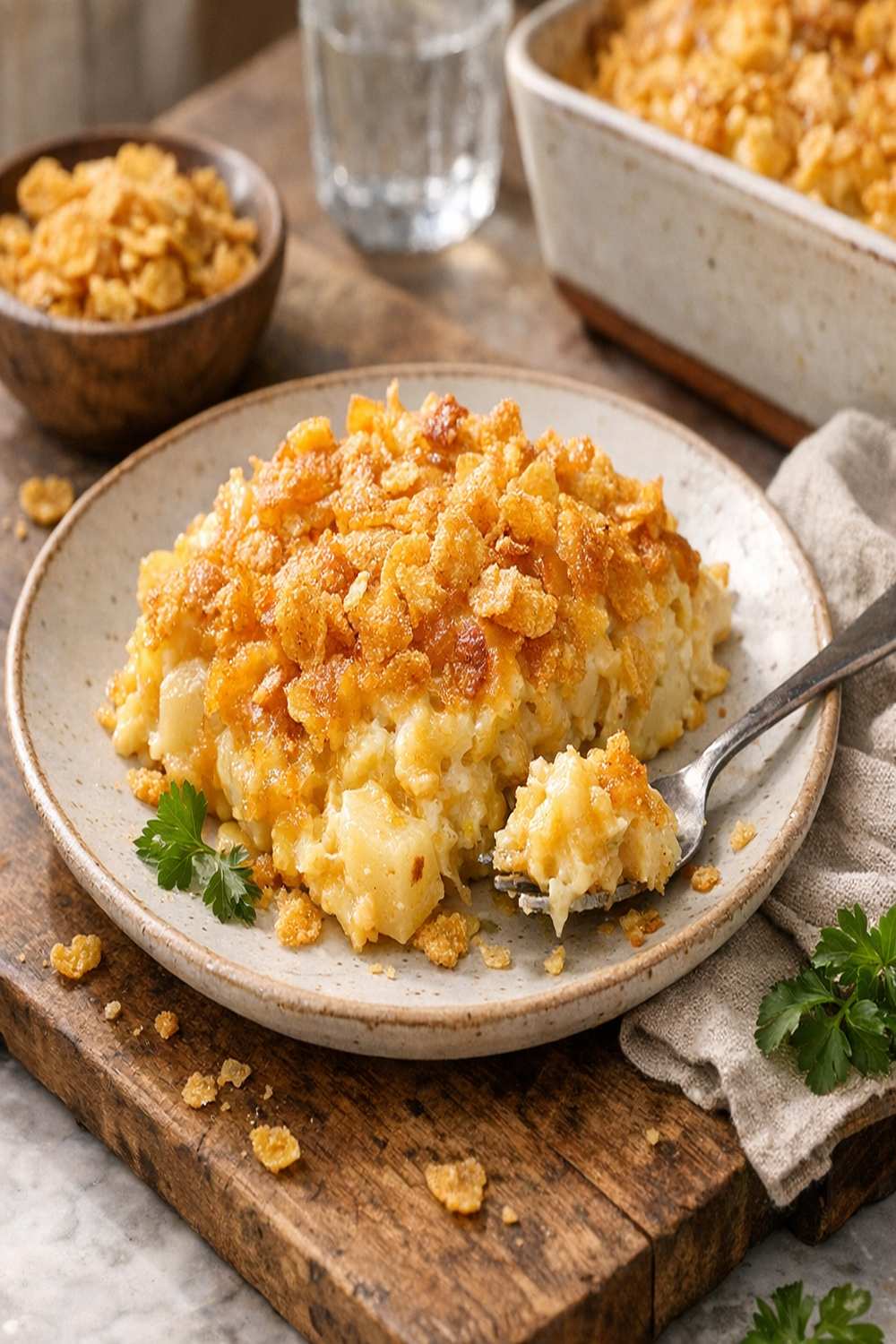
- Remove from the oven and let the casserole rest for five minutes before serving. This allows the creamy layers to set slightly, making serving cleaner and keeping the structure intact. Scoop directly from the baking dish into bowls or plates. The contrast between the creamy potato base and crispy corn flake topping is what makes this dish memorable.
Notes
- Buy your frozen potatoes at warehouse clubs - if you have a membership to Costco or Sam's Club, the thirty-two-ounce bags cost significantly less than grocery store prices. Non-members can sometimes get a day pass or split a membership with a neighbor.
- Stock canned soup when it's on sale - I keep a running list of when cream of chicken soup hits that magical fifty-cent mark at various stores. Buy ten cans at that price and you've locked in value for multiple casseroles over the next month.
- Choose block cheddar and shred it yourself if you have fifteen minutes - pre-shredded cheese costs about thirty percent more per pound because you're paying for the anti-caking agents and convenience. A box grater and five minutes of grating work saves you close to a dollar on this recipe.
- Generic corn flakes are genuinely identical to name brands - I've done nutritional comparisons as part of my professional work. The ingredient lists are nearly the same. The only difference is the label and the price.
- Buy butter when it's on sale and freeze it - butter freezes beautifully for six months or longer. When you see a good price (usually around three to four dollars per pound), buy several pounds and freeze them.